Shop
Showing all 16 results
-
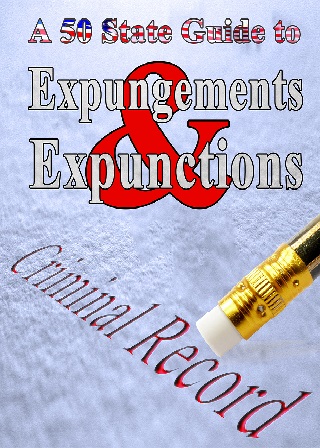
A 50 State Guide to Expungements & Expunctions
$21.95 Add to cart -

Everything You Need to Know About Beating Drug Tests
$14.95 Add to cart -
Sale!

Guerrilla Guide to Legal Research: Finding the Law for Non-Lawyers
$12.97 Add to cart -
Sale!
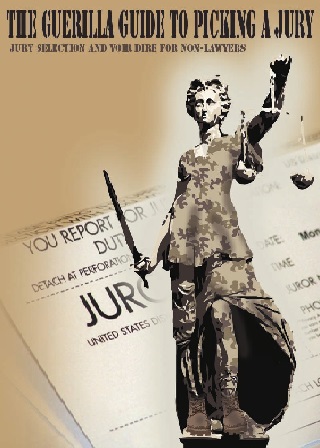
Guerrilla Guide to Picking A Jury – Jury Selection and Voir Dire For Non Lawyers
$12.97 Add to cart -
Sale!

Guerrilla Guide to Settling Your Car Wreck Case
$12.97 Add to cart -
Sale!
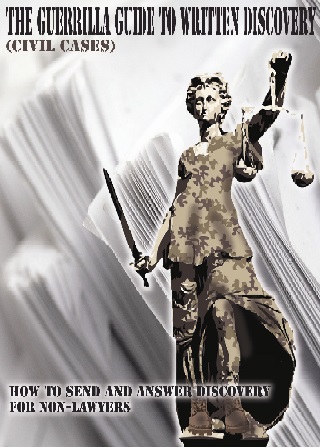
Guerrilla Guide to Written Discovery (Civil Cases)
$12.97 Add to cart -
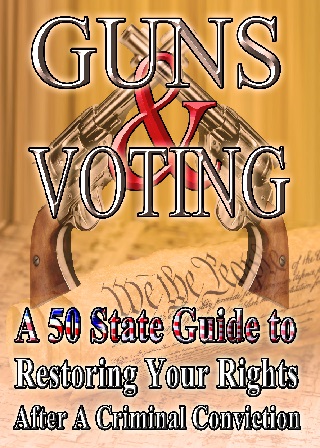
Guns and Voting: A 50 State Guide to Restoring Your Rights
$21.95 Add to cart -

How to Prepare a Texas Parole Package – ebook only
$33.95 Add to cart -

How to Prepare a Texas Parole Package – Print and Digital
$39.95 Add to cart -

Texas Military Sites 1700-1900
$17.97 Add to cart -

The Guerrilla Guide to Filing for Social Security Disability
$19.97 Add to cart -
Sale!

The Guerrilla Guide To How to Fight A Debt Collection Lawsuit
$12.97 Add to cart -

The Guerrilla Guide to Small Claims Court
$19.97 Add to cart -
Sale!

The Guerrilla Guide to Trial Objections
$12.97 Add to cart -

Understanding the Texas Parole Process
$0.00 Add to cart -
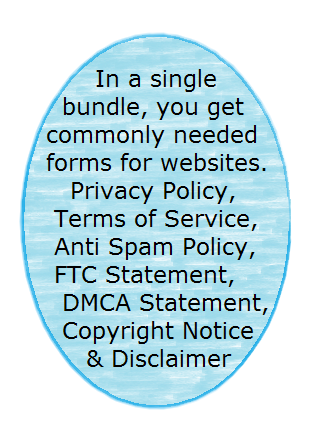
Website (non-adult content) Forms Bundle
$24.95 Add to cart